Don't Miss Exclusive Deals!
Get instant alerts when prices drop on products you love. Join thousands of smart shoppers!
🔒 Your privacy is protected. Unsubscribe anytime. No spam, ever.Quick Take
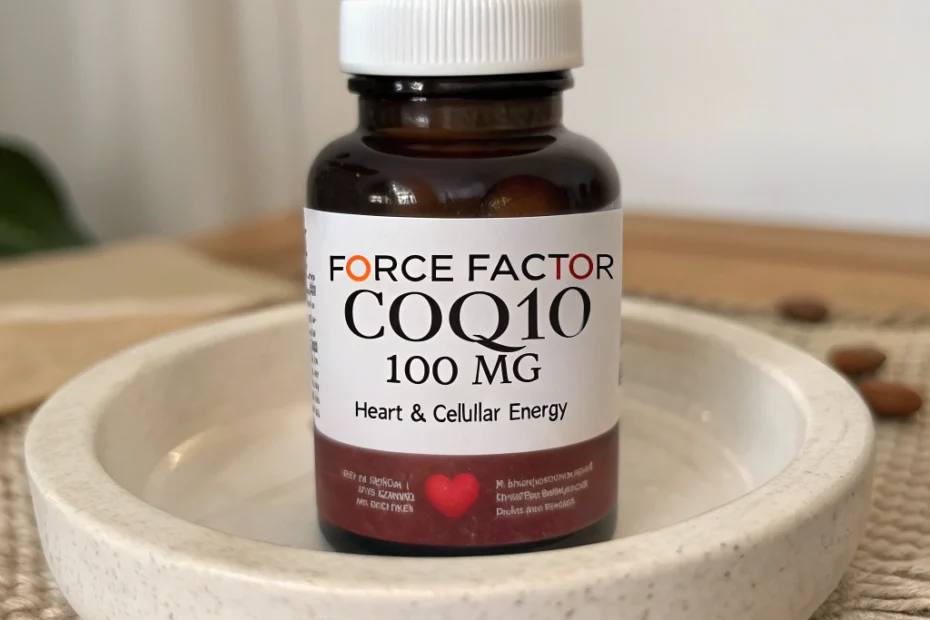
FORCE FACTOR CoQ10 100 mg is a dietary supplement that may help support heart health and cellular energy. Coenzyme Q10, or CoQ10, is a naturally occurring antioxidant in the body, playing a crucial role in energy production and protecting cells from damage. This supplement is commonly used by individuals looking to maintain their heart health and boost their energy levels.
CoQ10 levels in the body can decrease with age, certain health conditions, or medication use. Supplementing with CoQ10 may help replenish these levels, potentially supporting overall well-being. While CoQ10 is found in small amounts in foods like meat and fish, supplements can provide a more concentrated dose.
How to Choose
When selecting a CoQ10 supplement, consider factors such as form, dosage, and additional ingredients. CoQ10 supplements are available in two forms: ubiquinone and ubiquinol. Ubiquinol is the active form and may be more easily absorbed by the body, but both forms can be effective.
Look for supplements that provide clear information about the CoQ10 content per serving. Some products may also include additional ingredients like vitamin E or other antioxidants, which can enhance the supplement’s benefits. It’s important to choose a product that aligns with your dietary preferences and any specific health goals you may have.
Safety & Setup
Before starting any new supplement, it’s wise to consult with a healthcare professional, especially if you have existing health conditions or are taking medications. CoQ10 is generally considered safe, but it may interact with certain medications, such as blood thinners or chemotherapy drugs.
To set up a routine for taking CoQ10, consider your daily schedule and dietary habits. CoQ10 is fat-soluble, meaning it is best absorbed when taken with a meal that contains fat. Establishing a consistent time each day to take your supplement can help ensure you don’t forget.
Core Pillars
The core benefits of CoQ10 supplementation revolve around its role in energy production and antioxidant protection. CoQ10 is essential for the production of ATP, the energy currency of cells, which is vital for maintaining cellular functions and overall vitality.
As an antioxidant, CoQ10 helps neutralize free radicals, reducing oxidative stress and potentially supporting heart health. This dual role makes CoQ10 a popular choice for those looking to support their cardiovascular system and enhance their energy levels.
Storage & Quality Tips
Proper storage of your CoQ10 supplement can help maintain its potency and effectiveness. Store the supplement in a cool, dry place away from direct sunlight and heat. Ensure the container is tightly sealed to prevent moisture from affecting the product.
When choosing a supplement, look for products that have been third-party tested for quality and purity. This can provide assurance that the product contains the ingredients listed on the label and is free from contaminants.
Comparison with Alternatives
CoQ10 supplements can be compared with other energy-boosting supplements, such as B vitamins, omega-3 fatty acids, and certain superfoods. While each of these alternatives offers unique benefits, CoQ10 is specifically known for its role in cellular energy production and heart health support.
Unlike some other supplements, CoQ10 is naturally produced by the body, making it a more familiar compound for supplementation. However, the choice between CoQ10 and other supplements should be based on individual health needs and goals.
FAQs
- What is CoQ10? CoQ10 is a naturally occurring antioxidant that plays a crucial role in energy production and cellular protection.
- Who might benefit from CoQ10 supplementation? Individuals looking to support heart health, boost energy levels, or replenish CoQ10 levels due to age or medication use may benefit.
- Are there any side effects? CoQ10 is generally well-tolerated, but some people may experience mild side effects like stomach upset or headaches.
- Can I take CoQ10 with other supplements? Yes, but it’s best to consult with a healthcare professional to ensure compatibility with your health regimen.
What to Do Next
If you’re considering adding CoQ10 to your wellness routine, start by consulting with a healthcare professional to determine if it’s right for you. Research different products to find one that meets your needs and preferences. Once you have chosen a supplement, integrate it into your daily routine, paying attention to how your body responds over time.
Disclaimer: Always consult a qualified healthcare professional before using any supplement.