Don't Miss Exclusive Deals!
Get instant alerts when prices drop on products you love. Join thousands of smart shoppers!
🔒 Your privacy is protected. Unsubscribe anytime. No spam, ever.Quick Take
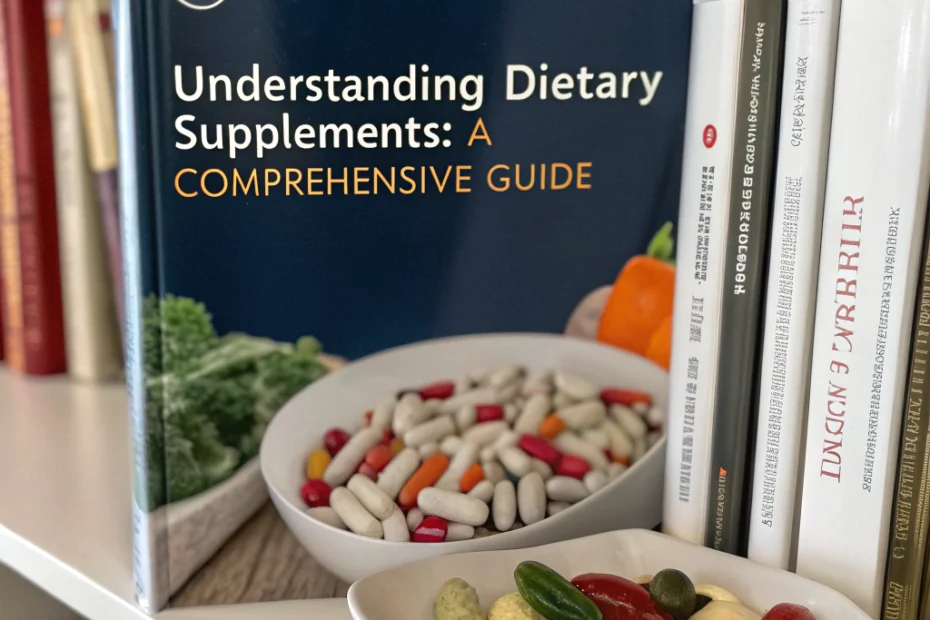
Dietary supplements are products designed to augment your daily intake of nutrients, including vitamins, minerals, herbs, amino acids, and enzymes. They come in various forms, such as tablets, capsules, powders, and liquids. While they can support your health, it’s essential to understand their role and how to use them effectively.
Supplements can help fill nutritional gaps in your diet, support specific health goals, and enhance overall well-being. However, they are not a substitute for a balanced diet and healthy lifestyle. Always approach supplements with informed caution and seek professional advice when needed.
How to Choose
Choosing the right dietary supplement involves several considerations. First, identify your health goals. Are you looking to boost your immune system, improve bone health, or support heart health? Knowing your objectives can guide your selection.
Next, research the ingredients. Look for supplements with clinically studied components and avoid those with unnecessary fillers or artificial additives. Check for third-party testing and certifications, which can indicate quality and safety.
Consider your dietary restrictions and preferences. Some supplements may contain allergens or animal-derived ingredients, so it’s crucial to read labels carefully. Finally, consult with a healthcare professional to ensure the supplement aligns with your health needs and doesn’t interact with any medications you may be taking.
Safety & Setup
Safety is paramount when it comes to dietary supplements. Start by following the recommended dosage on the label, and never exceed it unless advised by a healthcare provider. Overconsumption can lead to adverse effects.
Be aware of potential interactions with medications. Some supplements can affect how your body processes certain drugs, which may lead to increased side effects or reduced efficacy. Pregnant or nursing women, children, and individuals with chronic health conditions should exercise additional caution and seek medical advice before starting any supplement.
Set up a routine that incorporates supplements into your daily life. Consistency is key to experiencing potential benefits. Consider pairing your supplement intake with a regular activity, like breakfast, to help establish a habit.
Core Pillars
The core pillars of effective supplement use include understanding your nutritional needs, selecting high-quality products, and maintaining a balanced diet. Supplements should complement, not replace, a healthy diet rich in fruits, vegetables, whole grains, and lean proteins.
Stay informed about the latest research and developments in nutrition science. This knowledge can help you make educated decisions about which supplements may benefit you the most.
Lastly, monitor your health and adjust your supplement regimen as needed. Regular check-ins with a healthcare provider can help assess the effectiveness of your supplements and make necessary changes.
Storage & Quality Tips
Proper storage is crucial to maintaining the quality and efficacy of dietary supplements. Store them in a cool, dry place, away from direct sunlight and moisture. Avoid storing supplements in the bathroom, where humidity can degrade their quality.
Check expiration dates regularly and discard any expired products. Using expired supplements can reduce their effectiveness and potentially pose health risks.
Invest in supplements from reputable manufacturers who adhere to good manufacturing practices (GMP). This ensures that the products are produced consistently and meet quality standards.
Comparison with Alternatives
When considering dietary supplements, it’s helpful to compare them with alternative options. Whole foods are the best source of nutrients, providing a complex matrix of vitamins, minerals, and other beneficial compounds that supplements can’t fully replicate.
For some, fortified foods can be an alternative to supplements. These are foods enhanced with additional nutrients, such as vitamin D-fortified milk or calcium-fortified orange juice.
Herbal teas and functional foods, like fermented products, can also offer health benefits similar to supplements. However, they may not provide the concentrated doses found in supplement form.
FAQs
- Are dietary supplements necessary for everyone?
Not everyone needs dietary supplements. A balanced diet can provide most of the nutrients your body needs. However, supplements may be beneficial for those with specific deficiencies or health goals.
- Can I take multiple supplements at once?
It’s possible to take multiple supplements, but it’s important to be cautious about potential interactions and cumulative effects. Consulting a healthcare professional can help you manage your supplement regimen safely.
- How long does it take to see results from supplements?
The time it takes to see results can vary depending on the supplement and individual factors. Some people may notice changes within a few weeks, while others may take longer.
- Are there any side effects of taking supplements?
Some supplements can cause side effects, especially if taken in large doses. Common side effects include digestive issues, allergic reactions, and interactions with medications.
What to Do Next
Now that you have a comprehensive understanding of dietary supplements, consider evaluating your current health needs and goals. Research potential supplements that align with these objectives and consult with a healthcare professional to ensure they are appropriate for you.
Stay informed about new developments in the supplement industry and continue to prioritize a balanced diet and healthy lifestyle. Remember, supplements are just one piece of the puzzle in achieving optimal health.
Disclaimer: Always consult a qualified healthcare professional before using any supplement.