Don't Miss Exclusive Deals!
Get instant alerts when prices drop on products you love. Join thousands of smart shoppers!
🔒 Your privacy is protected. Unsubscribe anytime. No spam, ever.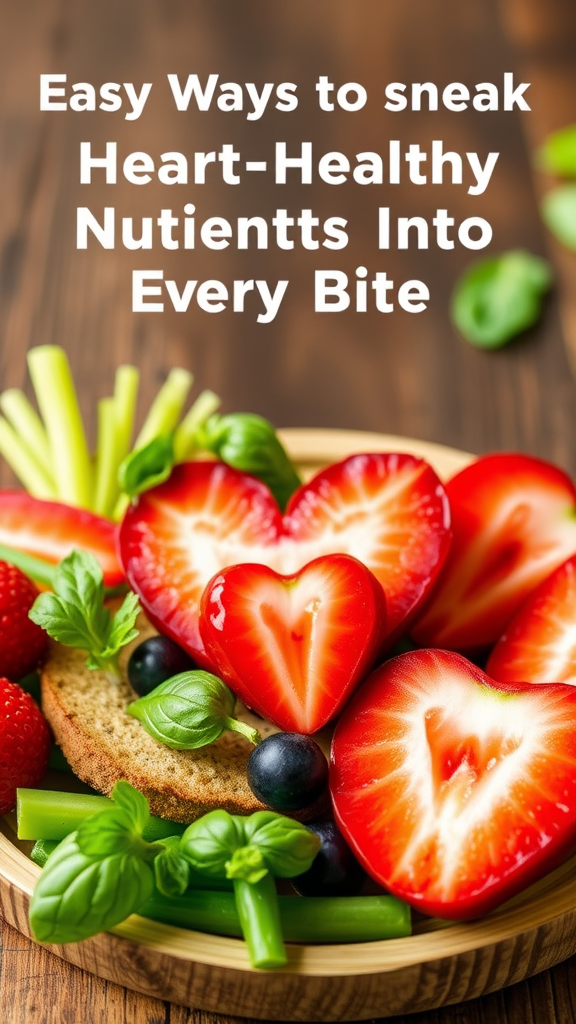
Easy Ways to Sneak Heart-Healthy Nutrients Into Every Bite
Adding heart-healthy nutrients to your meals doesn’t have to be complicated or time-consuming. With a few simple swaps and clever additions, you can boost every dish with ingredients that support cardiovascular wellness while enjoying delicious flavors. Let’s explore some easy strategies that help you sneak in these vital nutrients without changing your favorite recipes too much.
Boost Your Meals with Healthy Fats
Healthy fats are essential for a strong heart. Sources like olive oil, avocados, nuts, and seeds provide monounsaturated and polyunsaturated fats, which help lower bad cholesterol (LDL) and raise good cholesterol (HDL). these fats into everyday meals is easier than you might think.
- Swap cooking oils: Replace butter or margarine with extra virgin olive oil when sautéing vegetables or preparing dressings.
- Add avocado slices: Top sandwiches, salads, or toast with creamy avocado for a dose of heart-healthy fats and fiber.
- Sprinkle nuts and seeds: Mix chopped almonds, walnuts, or chia seeds into oatmeal, yogurt, or smoothie bowls for added crunch and nutrients.
Incorporate Fiber-Rich Ingredients
Fiber is a powerhouse nutrient that aids heart health by reducing cholesterol levels and strengthening blood vessels. Soluble fiber, found in oats, legumes, fruits, and vegetables, is especially beneficial. Adding fiber to your diet can be effortless with these tips:
- Choose whole grains: Swap white bread, rice, and pasta for their whole-grain counterparts like oats, quinoa, or brown rice.
- Include legumes: Lentils, chickpeas, and beans are fiber-rich and perfect for soups, stews, or salads.
- Snack smart: Opt for fruit like apples, pears, or berries instead of processed snacks.
Power Up with Antioxidant-Rich Foods
Antioxidants fight inflammation and protect your heart cells from damage. Vibrant fruits and vegetables such as berries, leafy greens, and tomatoes pack an antioxidant punch. Here’s how to easily add them:
- Add berries to breakfast: Mix blueberries, strawberries, or raspberries into cereals or smoothies.
- Blend leafy greens: Throw spinach or kale into your morning smoothie or sauces—it won’t affect flavor but adds nutrients.
- Top your meals: Fresh tomato slices or a simple salsa can brighten dishes while contributing heart-healthy antioxidants.
Load Up on Omega-3 Fatty Acids
Omega-3s are a key component in reducing inflammation and improving heart rhythm. Fatty fish like salmon, mackerel, and sardines are excellent sources. If you don’t eat fish often, consider these alternatives:
- Use ground flaxseed: Sprinkle flaxseed powder over yogurt, cereal, or smoothies to add omega-3s with minimal effort.
- Try walnuts: Snack on a handful of walnuts or chop them into salads for an omega-3 boost.
- Consider fortified foods: Look for omega-3-enriched eggs or dairy products as convenient options.
Enhance Flavor with Herbs and Spices
Replacing salt with heart-friendly herbs and spices can reduce sodium intake, which is crucial for a healthy heart. Garlic, turmeric, cinnamon, and fresh herbs not only enhance taste but also come with potential cardiovascular benefits.
- Infuse dishes with garlic: Add fresh minced garlic to soups, sauces, or marinades to create rich flavors.
- Sprinkle turmeric and cinnamon: These spices work well in curries, stews, and even desserts to boost antioxidant intake.
- Use fresh herbs: Basil, parsley, cilantro, and rosemary can brighten meals without added sodium.
Incorporate Vegetables in Unexpected Ways
One of the easiest methods to increase your intake of heart-healthy nutrients is to sneak vegetables into dishes where you might not expect them. This technique adds fiber, vitamins, and minerals without sacrificing taste or texture.
- Puree vegetables into sauces: Blend cooked carrots, spinach, or zucchini into tomato or pasta sauces for extra nutrition and smooth texture.
- Mix finely chopped vegetables into meat dishes: Combine mushrooms, onions, or bell peppers into burger patties or meatloaf for a heartier, healthier meal.
- Try veggie-based snacks: Make zucchini or carrot fries as an alternative to regular fries to enjoy a familiar taste with more nutrients.
Make Smart Beverage Choices
Drinks can also contribute to heart health by providing hydration and nutrients. Avoid sugary beverages and opt for options that support your cardiovascular system.
- Enjoy green tea: Rich in antioxidants, green tea is a heart-wise choice over sugary sodas and energy drinks.
- Infuse water: Add slices of citrus fruits, cucumber, or herbs like mint to your water for a refreshing, nutrient-rich drink.
- Limit alcohol: If you drink alcohol, keep it moderate and choose heart-friendly options like red wine in small amounts.
By using these easy tips, you can nurture your heart with every bite. Small, simple changes add up over time to support a healthy cardiovascular system. You don’t have to overhaul your entire diet overnight—start by sneaking in one or two heart-healthy nutrients into your favorite meals. Your heart will thank you for it!
Creative Cooking Tips to Boost Your Meal’s Nutritional Value Without Sacrificing Flavor
Nutrient-Dense Ingredients in Everyday Cooking
Boosting your meal’s nutritional value doesn’t mean giving up flavor or complexity. By being creative with ingredient choices, you can transform simple dishes into powerhouses of health benefits while keeping your taste buds happy. Start by swapping out common ingredients with more nutrient-rich alternatives. For example, try replacing white rice with quinoa, which offers more protein and fiber. Or, use whole grain pasta instead of refined pasta to increase your intake of essential vitamins and minerals.
Another easy trick is adding finely chopped vegetables to sauces, soups, and casseroles. Carrots, spinach, bell peppers, and zucchini can be blended or minced and stirred right into your favorite recipes without changing the dish’s texture or flavor too much. This boosts vitamin, mineral, and antioxidant content in a subtle yet effective way.
Enhancing Flavor and Nutrition with Herbs and Spices
Herbs and spices do more than just make a dish taste great; many of them are loaded with antioxidants and anti-inflammatory compounds that support overall health. Experiment with fresh herbs like basil, cilantro, and parsley, which add vibrant flavor and fresh nutrients. Dried spices like turmeric, cinnamon, and paprika not only contribute bold colors and warmth but also provide unique health-promoting properties.
Adding these seasonings to your cooking can reduce the need for excessive salt or sugar, which benefits heart health and helps manage weight. For a quick flavor and nutrient boost, sprinkle chopped fresh herbs over soups, salads, and roasted vegetables before serving.
Using Healthy Fats to Maximize Nutrient Absorption
Healthy fats into meals is a clever way to increase the absorption of fat-soluble vitamins such as A, D, E, and K. Olive oil, avocado, nuts, and seeds are excellent choices that enhance both flavor and nutritional content. Drizzle extra virgin olive oil over steamed veggies or use mashed avocado as a creamy spread on sandwiches.
To get the most benefit from these healthy fats, try to cook with oils that maintain their stability at moderate temperatures, like olive oil for sautéing or roasting. Adding a handful of nuts or seeds to salads, yogurt, or breakfast bowls not only adds crunch and taste but also packs in heart-healthy omega-3 fatty acids and fiber.
Creative Ways to Add Protein Without Overloading Calories
Protein is essential for muscle repair and satiety, but not all protein sources contribute equally to a nutritious meal. Switch out some of your usual meat portions for plant-based proteins like lentils, chickpeas, or black beans. These ingredients are rich in fiber and micronutrients, which benefit digestion and heart health.
Sneak in small amounts of finely ground nuts or seeds to pasta sauces or meatloaf mixes to add extra protein and healthy fats without overwhelming the dish. You can also blend silken tofu or Greek yogurt into dressings and dips to increase protein content while maintaining a creamy texture.
Maximizing Nutrient Retention During Cooking
Sometimes, the way you cook your food can affect its nutritional value. Steaming, roasting, or stir-frying vegetables generally retains more nutrients than boiling. Water-soluble vitamins like vitamin C and some B vitamins can leach out during prolonged boiling, so opting for cooking methods that use less water is better.
When roasting or grilling, avoid burning foods as charred portions might contain harmful compounds. Light seasoning and incorporating antioxidants from herbs can help mitigate this risk. Also, cooking foods with their skin on, such as sweet potatoes or apples, preserves fiber and other nutrients typically found just beneath the surface.
Easy Swaps and Additions for Everyday Meals
- Breakfast: Mix ground flaxseeds or chia seeds into your oatmeal or smoothie to boost omega-3 content and fiber.
- Lunch: Add a handful of baby spinach or kale leaves into your sandwich or wrap. They’re tender enough not to overpower texture but add a good dose of vitamins.
- Dinner: Incorporate grated or pureed vegetables like carrots or zucchini into your pasta sauce or meatballs.
- Snacks: Swap processed chips with roasted chickpeas or seasoned nuts for a crunchy, nutrient-dense alternative.
- Dips: Use Greek yogurt instead of sour cream for added protein and probiotics in your dips and dressings.
Smart Shopping Strategies to Support Your Cooking Goals
Choosing fresh, whole foods, and reading labels carefully can help you maintain a nutrient-rich kitchen. Look for seasonal produce, as these tend to have higher nutrient levels and better flavor. Frozen vegetables and fruits can also be great options because they are often picked and frozen at peak ripeness, locking in their nutrients.
When buying packaged foods, select options with reduced sodium, no added sugar, and minimal preservatives. This ensures that your meals remain wholesome and nutritious even when using convenience items.
Balancing Taste and Nutrition for Long-Lasting Success
By gradually introducing these creative cooking tips into your routine, you can enjoy meals that satisfy both your health goals and flavor preferences. Remember, a heart-healthy and nutrient-rich diet doesn’t have to be boring or bland. Using simple substitutions, enhancing dishes with vibrant herbs and spices, and mindful cooking methods all contribute to a more nourishing and delicious way of eating.
Start small—choose one or two strategies and experiment with your favorite recipes. Over time, these habits become second nature, helping you effortlessly boost your meal’s nutritional value with every bite.
Conclusion
Heart-healthy nutrients into your meals doesn’t have to feel like a chore or compromise the flavors you love. By using simple, creative cooking tips, you can easily boost the nutritional value of every bite you take. Whether it’s adding a handful of leafy greens to your favorite smoothie, swapping out refined grains for whole grains, or sneaking in nuts and seeds for an extra dose of healthy fats, these small changes make a big difference for your heart health.
Flavorful herbs, spices, and clever ingredient swaps help keep your meals exciting and tasty while promoting a stronger, healthier heart. Remember, it’s not about overhauling your diet overnight but making consistent, manageable changes that fit naturally into your daily routine. Every wholesome ingredient added contributes to better heart function and overall wellbeing.
By approaching your meals with creativity and a focus on nutrition, you’ll find it easier to enjoy eating healthy without feeling restricted. These easy strategies empower you to take charge of your heart health through delicious, satisfying meals that nourish both your body and your taste buds. Embracing these habits today sets the stage for a healthier tomorrow—one bite at a time.