Don't Miss Exclusive Deals!
Get instant alerts when prices drop on products you love. Join thousands of smart shoppers!
🔒 Your privacy is protected. Unsubscribe anytime. No spam, ever.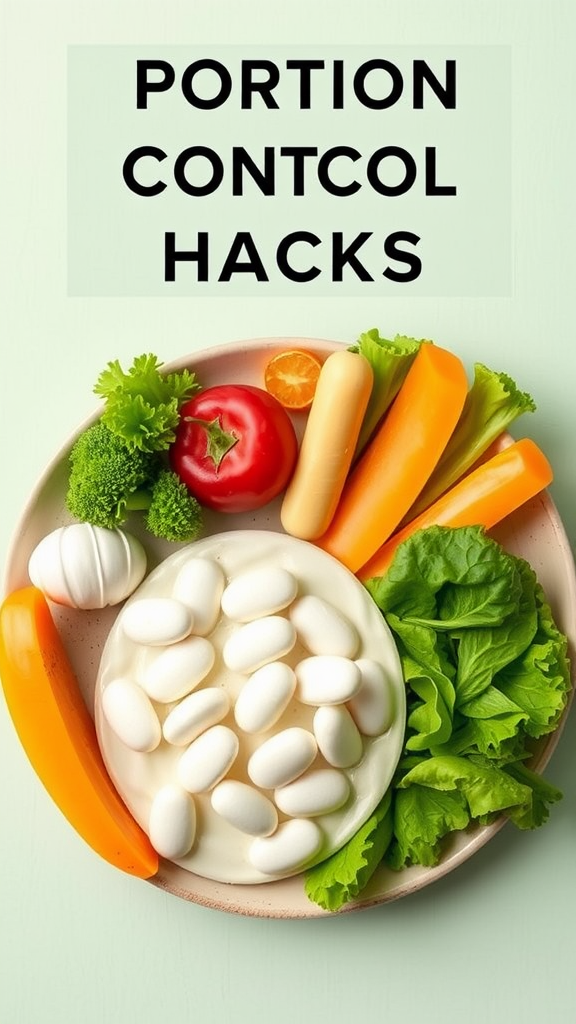
Practical Portion Control Hacks When You’re Nervous About New Meds
Starting new medications can bring a mix of hope and anxiety. You might worry about side effects, how your body will respond, or how your routine will change. During this time, managing your nutrition is especially important, as what and how much you eat can affect how you feel and how well the medication works. Portion control becomes a key tool when you’re nervous about new meds because it helps you maintain balance without overwhelming your body.
Why Portion Control Matters When Beginning New Medications
New medications can sometimes impact appetite, digestion, or even metabolism. Overeating might increase medication side effects, while undereating can reduce energy and delay recovery. Sticking to well-measured portions can help you:
- Keep blood sugar levels steady
- Prevent digestive discomfort
- Support medication effectiveness
- Avoid unintentional weight gain or loss
- Feel more in control during a stressful change
Knowing practical hacks for portion control can ease your worries, helping you feel more confident in managing your diet alongside new meds.
Use Smaller Plates and Bowls to Naturally Limit Intake
One simple but effective hack is switching to smaller dinnerware. Research shows that smaller plates can make servings look larger and trick your brain into feeling satisfied with less food. When you’re nervous about new medications, this visual trick can prevent urge-driven overeating while still providing enough nourishment.
Pre-Portion Snacks to Avoid Overindulging
Snacking can get tricky when you’re anxious, leading to unplanned, large portions. Try pre-portioning your snacks into small containers or bags before you feel hungry. This way, you won’t accidentally eat the whole package because the serving size is already decided for you.
Measure Foods Until You Feel Confident
Using measuring cups or a digital kitchen scale can help you understand normal serving sizes. It might feel tedious at first, but paying attention to how much fits into a serving size helps build long-term mindfulness around portions.
Practice the Plate Method for Balanced Eating
The Plate Method is an easy visual guide to portion control that works well during medication adjustments. Fill half your plate with non-starchy vegetables like leafy greens or broccoli, one quarter with lean protein such as chicken or fish, and one quarter with healthy carbohydrates like brown rice or quinoa. This approach balances nutrients and keeps portions reasonable.
Set Routine Meal Times to Reduce Grazing
New medications can disrupt your usual appetite. By setting scheduled meal and snack times, you prevent random grazing or mindless eating. Structured eating times also help your body get used to a rhythm, improving digestion and possibly reducing medication side effects.
Stay Hydrated to Avoid Mistaking Thirst for Hunger
Sometimes nervous energy or medication side effects can make you feel hungry when you’re actually thirsty. Drinking enough water throughout the day can help you distinguish real hunger from thirst, which is an easy way to control unnecessary snacking.
Keep a Food and Mood Journal
Writing down what you eat, how much, and how you feel before and after meals can reveal patterns. You might discover certain foods or portion sizes work better when you’re adjusting to meds. Tracking helps you become more aware of your needs and can support conversations with your healthcare provider.
Focus on Nutrient Density Over Quantity
When you’re nervous about new medications, it’s tempting to focus solely on the number of calories. Instead, choose nutrient-dense foods that provide vitamins, minerals, and fiber in smaller portions. Foods like berries, nuts, leafy greens, and fish can make you feel full and nourish your body without overloading your system.
Reach Out for Support and Professional Guidance
Don’t hesitate to consult with a dietitian or healthcare provider who can tailor portion recommendations based on your medication and overall health. They can offer personalized strategies that reduce anxiety and keep your nutritional goals on track.
Managing your food portions with these practical hacks can boost your confidence during medical changes. By embracing mindful eating and simple adjustments, you give your body the best chance to handle new medications comfortably and effectively.
Managing Anxiety Around New Medications Through Mindful Eating Strategies
Understanding Anxiety Related to New Medications
Starting a new medication can bring feelings of unease and uncertainty. It’s common to worry about possible side effects or how your body will react. This anxiety sometimes leads to changes in appetite, eating habits, or even skipping meals, which can affect your overall health. Managing these feelings thoughtfully, especially through mindful eating techniques, can help create a sense of control and calm during this transition period.
Why Mindful Eating Helps When You’re Nervous About New Meds
When you’re nervous about new medications, your body’s stress response may influence your eating behavior. Mindful eating encourages you to focus on the present moment and make conscious food choices, which reduces impulsive or emotional eating. By paying attention to hunger cues and portion sizes, you become more aware of what your body really needs. This awareness helps prevent overeating or undereating, which often occur during times of stress.
Practical Portion Control Hacks for Anxiety Management
Using specific portion control hacks can greatly improve your eating habits and reduce anxiety about new medications. Below are effective strategies you can try:
- Use Smaller Plates and Bowls: Serving your meals on smaller dishes naturally limits portion sizes, making it easier to avoid overeating.
- Measure Portions with Your Hands: A simple, no-fuss method is to use your hand as a guide: a palm-sized portion of protein, a fist sized amount of vegetables, and a cupped hand for carbs.
- Pre-Portion Snacks: Instead of eating directly from big bags or containers, divide snacks into smaller portions in advance to control intake.
- Eat Slowly and Chew Thoroughly: Taking your time allows better digestion and gives your body a chance to signal when you’re full.
- Fill Half Your Plate with Vegetables: Vegetables are nutrient-dense and high in fiber, helping you feel satisfied with fewer calories.
- Keep a Food Journal: Tracking what and how much you eat can clarify your eating patterns and how they might be affected by medication worries.
Combining Portion Control with Calming Eating Practices
Combining portion control with relaxation techniques enhances both nutritional health and emotional balance. Before eating, take a moment to breathe deeply and ground yourself. This practice helps lower stress levels, which supports better digestion and nutrient absorption. Try to avoid distractions like phones or TV during meals, as they often cause mindless overeating.
Mindful eating also involves tuning in to your body’s signals:
- Recognize true hunger versus emotional hunger.
- Stop eating when you feel comfortably full, not stuffed.
- Notice how different foods make you feel physically and emotionally.
Addressing Medication Concerns Through Nutrition Support
Fear about new medications can sometimes trigger changes in appetite or cause digestive upset. Eating nutrient-rich, balanced meals can help your body adapt and support your overall wellbeing. Focus on whole foods like fruits, vegetables, whole grains, lean proteins, and healthy fats. Staying hydrated is equally important, especially if medications cause dry mouth or other side effects.
If you feel unsure about how your medication may interact with your diet, talk to your healthcare provider or a registered dietitian. They can help you personalize mindful eating strategies and portion control plans to fit your needs and ease your concerns.
Creating a Supportive Food Environment
Your eating environment plays a key role in managing anxiety around new meds. Organize your kitchen and dining areas to encourage mindful eating:
- Keep healthy snacks visible and easy to grab.
- Store less nutritious foods out of sight or limit buying them in large quantities.
- Set regular meal times to maintain routine and avoid irregular eating, which can worsen anxiety.
- Prepare simple, balanced meals ahead of time to reduce stress during busy or low-energy periods.
Building Confidence with Small Steps
Trying new medications can be overwhelming, but making small, manageable changes in how you eat can boost your confidence and sense of control. Start by incorporating one or two portion control hacks and mindful eating tips into your daily routine. Over time, these habits will reduce anxiety and support better health.
Remember, it’s okay to ask for help. Whether from friends, family, or health professionals, support is available to guide you through this adjustment. With patience, awareness, and these mindful strategies, managing your fears around new medications can become a smoother, healthier experience.
Conclusion
Starting new medications can feel overwhelming, especially when anxiety makes it tough to maintain healthy habits. By using practical portion control hacks, you can take small but powerful steps to stay in control of your eating. Techniques like measuring your servings, using smaller plates, and prepping meals ahead can give you a sense of calm and structure. These simple habits not only help prevent overeating but also create a routine that supports your overall well-being.
At the same time, managing anxiety through mindful eating strategies deepens your awareness of how you feel before, during, and after meals. Paying attention to hunger cues and emotions lets you respond thoughtfully instead of reacting impulsively. When you combine portion control with mindfulness, you give yourself a toolkit to handle nerves about new meds without turning to food for comfort.
Remember, it’s okay to take things one step at a time. Being gentle with yourself as you adjust to new medications makes this journey less stressful. Keep practicing these hacks and strategies consistently, and you’ll find yourself feeling more grounded. With patience and self-care, managing your medication and your meals can become a balanced part of your daily routine. You deserve that peace of mind and control over your health—one mindful bite at a time.