Don't Miss Exclusive Deals!
Get instant alerts when prices drop on products you love. Join thousands of smart shoppers!
🔒 Your privacy is protected. Unsubscribe anytime. No spam, ever.Quick Take
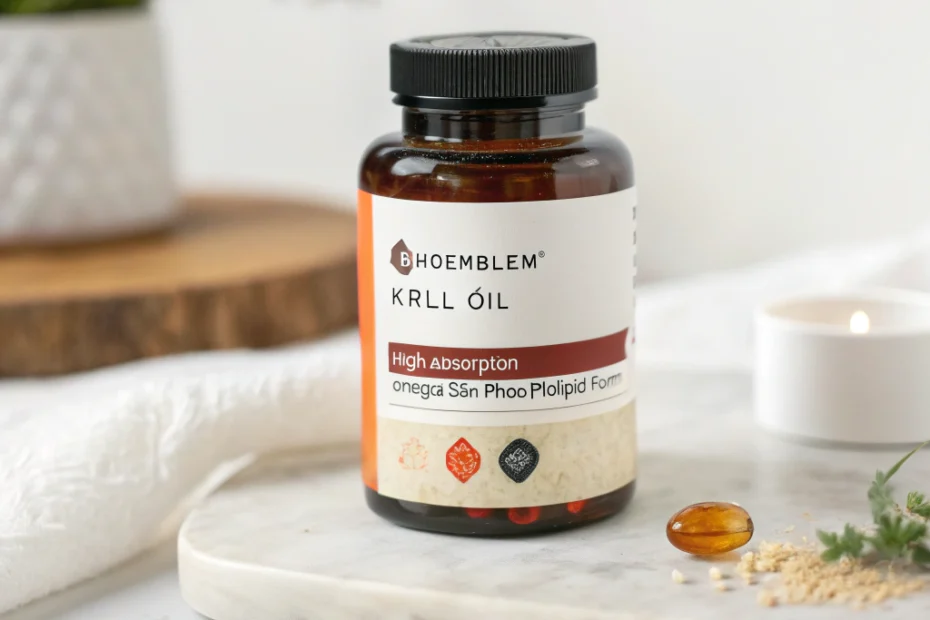
When it comes to supporting your heart, brain, and joint health, omega-3 fatty acids are often at the top of the list. However, not all omega-3 supplements are created equal. Antarctic krill oil, known for its high-absorption omega-3s in phospholipid form, may offer a more efficient way to get these essential nutrients. This type of krill oil is commonly used for its potential benefits and is praised for having no fishy aftertaste, making it a preferred choice for many.
How to Choose
Selecting the right krill oil supplement can seem daunting with so many options available. Here are some factors to consider:
- Source: Look for krill oil sourced from the pristine waters of Antarctica. This ensures a cleaner, more sustainable product.
- Purity: Ensure the product is free from contaminants and heavy metals. Check for third-party testing certifications.
- Phospholipid Content: High phospholipid content can enhance absorption, making the omega-3s more effective.
- Astaxanthin: This antioxidant is naturally found in krill oil and can help protect the body from oxidative stress.
- No Fishy Aftertaste: Choose a product that guarantees no fishy aftertaste, enhancing your overall experience.
Safety & Setup
Before starting any new supplement, it’s crucial to consider safety. While krill oil is generally well-tolerated, some individuals may experience mild side effects such as digestive discomfort. It’s advisable to start with a lower dose to assess tolerance. Always consult with a healthcare professional, especially if you have underlying health conditions or are taking other medications.
Core Pillars
Understanding the core benefits of krill oil can help you make an informed decision:
- Heart Health: Omega-3s in krill oil may help maintain healthy cholesterol levels and support overall cardiovascular health.
- Brain Function: The EPA and DHA in krill oil are essential for brain health and may support cognitive function.
- Joint Support: Krill oil’s anti-inflammatory properties can support joint health, potentially reducing discomfort.
Storage & Quality Tips
Proper storage is key to maintaining the quality of your krill oil supplement. Store it in a cool, dry place away from direct sunlight. Check the expiration date regularly and ensure the bottle is tightly sealed to prevent oxidation, which can degrade the oil’s quality.
Comparison with Alternatives
When comparing krill oil to other omega-3 sources like fish oil, several differences stand out:
- Absorption: Krill oil’s phospholipid form may offer better absorption than the triglyceride form found in fish oil.
- Antioxidants: Krill oil naturally contains astaxanthin, which is not present in fish oil.
- Taste: Many prefer krill oil for its lack of fishy aftertaste, which is a common complaint with fish oil supplements.
FAQs
Q: Can krill oil replace fish oil?
A: While both provide omega-3s, krill oil may offer better absorption and additional antioxidants. However, individual needs may vary.
Q: How long does it take to see benefits?
A: The time frame can vary, but some individuals may notice improvements in a few weeks. Consistency is key.
Q: Is krill oil sustainable?
A: Yes, when sourced responsibly from Antarctic waters, krill oil is considered a sustainable option.
What to Do Next
Now that you understand the potential benefits of krill oil, the next step is to find a high-quality product that meets your needs. Look for supplements that emphasize purity, sustainability, and high phospholipid content. By doing so, you can confidently support your heart, brain, and joint health with a supplement that aligns with your wellness goals.
Disclaimer: Always consult a qualified healthcare professional before using any supplement.