Don't Miss Exclusive Deals!
Get instant alerts when prices drop on products you love. Join thousands of smart shoppers!
🔒 Your privacy is protected. Unsubscribe anytime. No spam, ever.Quick Take
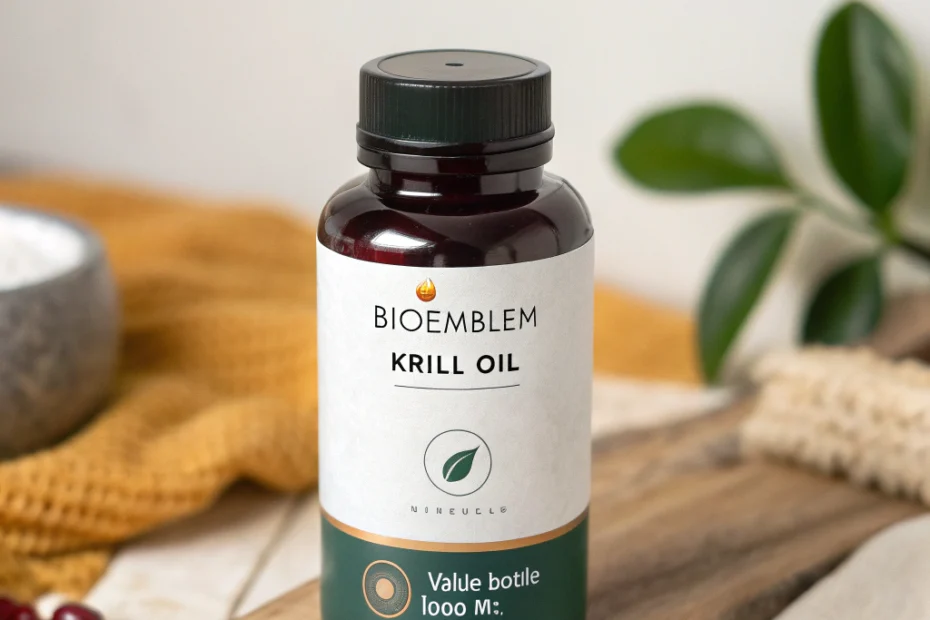
When it comes to supporting your overall wellness, krill oil is a popular choice. Known for its potential benefits in heart, brain, and joint health, krill oil offers a unique blend of omega-3 fatty acids, phospholipids, and astaxanthin. Unlike traditional fish oils, krill oil is often praised for being easy on digestion and having no fishy aftertaste. This makes it an appealing option for many looking to enhance their dietary supplement routine.
How to Choose
Choosing the right krill oil supplement can feel overwhelming with so many options available. Here are some key factors to consider:
- Source: Look for krill oil sourced from the pristine waters of Antarctica, as it is considered to be of high quality.
- Purity: Ensure the product is free from contaminants and has been tested for purity.
- Concentration: Check the levels of EPA and DHA, the essential omega-3 fatty acids, to ensure you’re getting a potent dose.
- Phospholipids: These are crucial for better absorption of omega-3s, so look for a supplement that highlights this feature.
- Astaxanthin: This antioxidant can support overall health, so its presence in the formula is a bonus.
Safety & Setup
Before adding any supplement to your routine, it’s important to consider safety. While krill oil is generally well-tolerated, it’s wise to consult with a healthcare professional, especially if you have any pre-existing conditions or are taking other medications. Start with a lower dose to see how your body reacts, and gradually increase if needed.
Core Pillars
Krill oil is renowned for its core pillars of health support:
- Heart Health: The omega-3 fatty acids in krill oil may help maintain healthy cholesterol levels and support cardiovascular function.
- Brain Function: Omega-3s are vital for brain health, potentially aiding in cognitive function and mental clarity.
- Joint Support: The anti-inflammatory properties of krill oil can support joint comfort and flexibility.
Storage & Quality Tips
To ensure your krill oil supplement remains effective, store it in a cool, dry place away from direct sunlight. Check the expiration date regularly and follow any specific storage instructions on the label. Quality is key, so choose a product from a reputable manufacturer that adheres to good manufacturing practices.
Comparison with Alternatives
Krill oil stands out from other omega-3 supplements like fish oil due to its unique composition. The phospholipids in krill oil allow for better absorption of omega-3s, and the presence of astaxanthin offers additional antioxidant benefits. Moreover, krill oil’s lack of a fishy aftertaste makes it a preferred choice for many.
FAQs
Q: Can I take krill oil if I’m allergic to shellfish?
A: If you have a shellfish allergy, it’s best to avoid krill oil or consult with a healthcare professional before use.
Q: How does krill oil differ from fish oil?
A: Krill oil contains phospholipids and astaxanthin, which are not found in fish oil, and is often easier on digestion with no fishy aftertaste.
What to Do Next
Now that you’re equipped with the knowledge about krill oil, the next step is to find a high-quality product that fits your needs. Consider the factors discussed and consult with a healthcare professional to ensure it’s the right choice for you. Remember, the goal is to support your health in a way that aligns with your lifestyle and wellness objectives.
Disclaimer: Always consult a qualified healthcare professional before using any supplement.