Don't Miss Exclusive Deals!
Get instant alerts when prices drop on products you love. Join thousands of smart shoppers!
🔒 Your privacy is protected. Unsubscribe anytime. No spam, ever.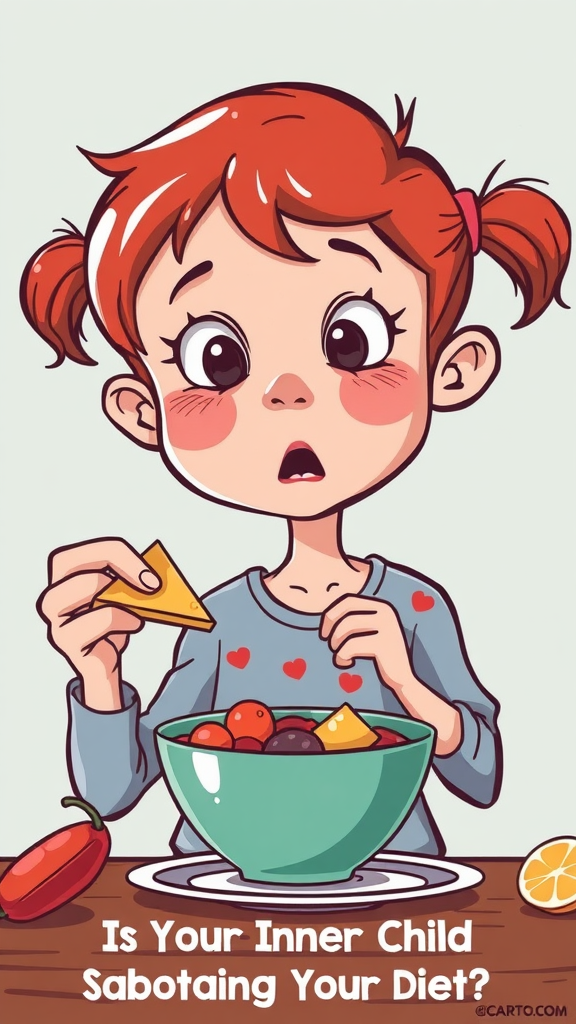
Unpacking the Role of Your Inner Child in Diet Sabotage: Cartoon Habits and Emotional Eating
Understanding the Inner Child and Its Impact on Eating Habits
Many people struggle with sticking to a healthy diet, feeling frustrated as their efforts often seem to be undone by sudden cravings or emotional eating. What if the root cause of these sabotaging behaviors lies deep within—the part of you often called the inner child? Your inner child represents the emotional and psychological part of you formed in childhood. It holds onto memories, feelings, and reactions that sometimes unconsciously govern your current choices, especially around food.
This part of you can trigger cravings and eating habits that feel out of control. When under stress, loneliness, or boredom, your inner child might seek comfort the same way it learned to in childhood—through certain foods or specific eating patterns often portrayed in cartoons and media during your early years. These “cartoon habits” aren’t just nostalgic; they represent emotional rewiring that activates comfort and reward circuits in your brain.
What Are Cartoon Habits and How Do They Influence Dieting?
Cartoon habits are a playful yet powerful way to describe certain emotional eating patterns rooted in childhood experiences and popular media influences. For example, think about how characters in cartoons often find solace in a giant ice cream sundae or a big slice of pizza after a tough day. These images aren’t just entertaining—they imprint emotional associations with food on a young mind.
As adults, these deep-seated associations can cause you to veer off your diet by:
- Seeking emotional comfort through food: When feeling stressed or upset, your inner child pushes you toward comfort foods just like cartoon characters do in moments of distress.
- Mindless snacking triggered by nostalgia: Childhood snacks you loved, often depicted in cartoons, become automatic go-to items that aren’t about hunger but about emotional connection.
- Rewarding yourself with treats: The inner child sees food as a reward—just like how cartoons often show treats as a celebration—which can undo healthy eating efforts.
Signs Your Inner Child Is Affecting Your Diet
You might not realize your inner child is influencing your eating habits until you notice specific behaviors, such as:
- Craving sugary or fatty comfort foods mostly when emotions run high
- Eating not because of physical hunger but boredom, sadness, or even happiness
- Feeling guilty after eating certain foods and then repeating the cycle of stress eating
- Having difficulty resisting snack foods associated with childhood favorites
- Turning to food for quick emotional relief, especially after challenging situations
Recognizing these signs is the first step to breaking free from patterns that sabotage your diet and overall health.
How to Heal Your Inner Child for Better Eating Habits
Healing your inner child creates space for healthier choices and lasting diet success. Here are some practical strategies:
1. Acknowledge Emotional Eating Without Judgment
Instead of beating yourself up for overeating or giving in to cravings, recognize that these urges come from deeper emotional needs. Speaking kindly to yourself fosters awareness without shame.
2. Identify and Replace Triggers
Keep a food and mood diary to connect emotions to eating episodes. Once you spot the pattern, try replacing impulsive eating with activities that soothe your inner child, like coloring, journaling, or listening to favorite childhood music.
3. Visualize Your Inner Child
Imagine comforting your younger self when cravings strike. This visualization helps you offer the emotional nurturing your inner child seeks without turning to unhealthy foods.
4. Create New Positive Food Associations
Reframe food experiences by associating healthy meals with joy and reward. Celebrate small wins in your diet journey with non-food rewards like a walk in nature or a relaxing hobby.
Practical Steps to Manage Cartoon-Inspired Eating Influences
Since cartoons play a significant role in shaping these patterns, here are ways to outsmart those nostalgic food cues:
- Limit exposure to media that triggers food cravings: Try to avoid or consciously watch cartoons or shows that strongly associate food with emotional comfort.
- Stock your kitchen with healthy nostalgic alternatives: Create or find healthy versions of your beloved childhood snacks so you satisfy cravings with less guilt or harm.
- Mindful eating exercises: Slow down and truly taste your food to reduce the power of automatic, inner child-driven eating habits.
Remember, your inner child is a vital part of you—a part that deserves love and attention. By understanding its role in your diet struggles and addressing it with care, you empower yourself to build a healthier relationship with food and finally stick to your goals.
Practical Strategies to Heal Your Inner Child and Build a Healthy Relationship with Food
Understanding Your Inner Child’s Role in Eating Habits
When you struggle with dieting or find yourself reaching for comfort foods during stressful times, you might be dealing with more than just hunger. Deep inside, your inner child—the part of you that holds memories, feelings, and unmet needs from childhood—can heavily influence how you relate to food. Often, this inner child uses food as a coping mechanism to manage emotions like sadness, anxiety, or loneliness. Recognizing this connection is the first step toward healing.
Your inner child may have learned early on that food provided comfort, reward, or even distraction. For example, if you grew up in an environment where food was used as a reward or a source of emotional security, these patterns can carry into adulthood. The challenge is to gently reconnect with that vulnerable part of yourself to offer the care it needs without relying on unhealthy eating habits.
Identifying Common Inner Child Triggers for Unhealthy Eating
Before making changes, it’s crucial to become aware of the triggers that activate your inner child’s need for food as a source of comfort. These triggers could include:
- Emotional stress or overwhelm: Feeling anxious or stressed might prompt the urge to eat sugary or high-fat foods.
- Boredom or loneliness: When alone or lacking stimulation, food may fill a sense of emptiness.
- Negative self-talk or self-criticism: Your inner child might respond to feelings of inadequacy with food seeking to numb pain.
- Recollection of food-related childhood memories: Certain smells, tastes, or situations can evoke nostalgic feelings and cravings.
By identifying these moments, you gain clarity on the ‘why’ behind your cravings and can prepare strategies to respond differently.
Practical Ways to Soothe Your Inner Child Through Food Relationships
To heal your inner child and create a healthier relationship with food, start by practicing self-compassion and mindful awareness. Here are effective strategies that can help:
1. Develop Mindful Eating Habits
Slow down and pay attention to your eating—notice taste, texture, and your body’s signals of hunger and fullness. Mindful eating reclaims food as nourishment rather than emotional comfort. This approach helps break impulsive habits linked to unresolved emotions.
2. Connect With Your Feelings
When you face cravings or intense urges to eat, pause and ask yourself what emotion might be underlying this impulse. Journaling your feelings or speaking them aloud can help bring awareness to your inner child’s needs.
3. Offer Your Inner Child Alternative Comforts
Instead of turning to food for emotional relief, try replacing this habit with nurturing activities. This could be taking a warm bath, engaging in creative hobbies, or spending time in nature. These actions honor your inner child’s need for care.
4. Use Positive Affirmations
Speak kindly to yourself daily. Reassure your inner child with affirmations like “You are safe,” “You are worthy,” and “You deserve love beyond food.” This practice slowly rebuilds self-worth and reduces emotional eating driven by feelings of lack.
5. Set Boundaries With Food
Create a balanced meal plan that respects your body’s hunger cues while avoiding rigid restrictions. Giving your body what it needs fosters trust and reduces the inner child’s response to perceived ‘food deprivation.’
Building a Supportive Environment
Healing your inner child is easier when surrounded by understanding and accountability. Consider sharing your journey with trusted friends, family, or a therapist. Group support or professional counseling can offer guidance in navigating emotional blockages tied to food.
Additionally, creating an environment without temptation or excessive junk food can reduce automatic responses triggered by the inner child’s cravings. Stock your kitchen with wholesome, nourishing options that satisfy both body and mind.
Celebrate Small Wins and Practice Patience
Changing lifelong habits takes time. Be patient with yourself and celebrate each moment you choose compassion over old patterns. Even small steps toward being kinder to your inner child make a big difference in how you feel around food and your body.
Ultimately, a healed inner child brings freedom from emotional eating and lays a foundation for a joyful, balanced relationship with food. By treating yourself with love and understanding, you nurture not just your body but your whole being.
Conclusion
Understanding how your inner child influences your eating habits is a vital step toward breaking the cycle of diet sabotage. Cartoon habits—those automatic, emotional responses tied to childhood memories—often drive us to seek comfort in food, especially in stressful moments. Recognizing these patterns lets you see that emotional eating is not just about food choices but about deeper feelings seeking attention and care.
By healing your inner child, you nurture a gentler, more compassionate relationship with yourself and your diet. Simple strategies such as mindful eating, journaling about your food emotions, and practicing self-kindness can make a big difference. These approaches help you replace old, unhelpful habits with new, positive ones that promote balance and well-being.
You have the power to transform your eating habits by addressing the emotional roots behind them. When you care for your inner child, you build resilience against diet sabotage and foster lasting healthy connections with food. This process takes patience and self-awareness but leads to a more peaceful, sustainable lifestyle. Embrace these tools to take control of your diet, not through strict rules or punishment but through understanding and healing. Your inner child deserves the space to feel safe and loved—and when it does, your diet and overall health can thrive.