Don't Miss Exclusive Deals!
Get instant alerts when prices drop on products you love. Join thousands of smart shoppers!
🔒 Your privacy is protected. Unsubscribe anytime. No spam, ever.Quick Take
Spirulina is a type of blue-green algae that has gained popularity as a dietary supplement. It’s often praised for its potential health benefits and nutrient-rich profile. Spirulina is commonly used for its high protein content and may support overall wellness. This superfood algae protein powder is known for being rich in vitamins, minerals, and antioxidants, which can contribute to a balanced diet.
When you hear about spirulina, you might wonder what makes it stand out. Its vibrant green color is due to chlorophyll, and it contains a variety of nutrients that may help support your health. People often turn to spirulina for its potential to boost energy levels and support immune function.
How to Choose
Choosing the right spirulina supplement involves considering several factors. First, look for a product that is pure and free from additives. Check the label to ensure that it contains 100% spirulina without fillers or artificial ingredients. Organic certifications can also be a good indicator of quality.
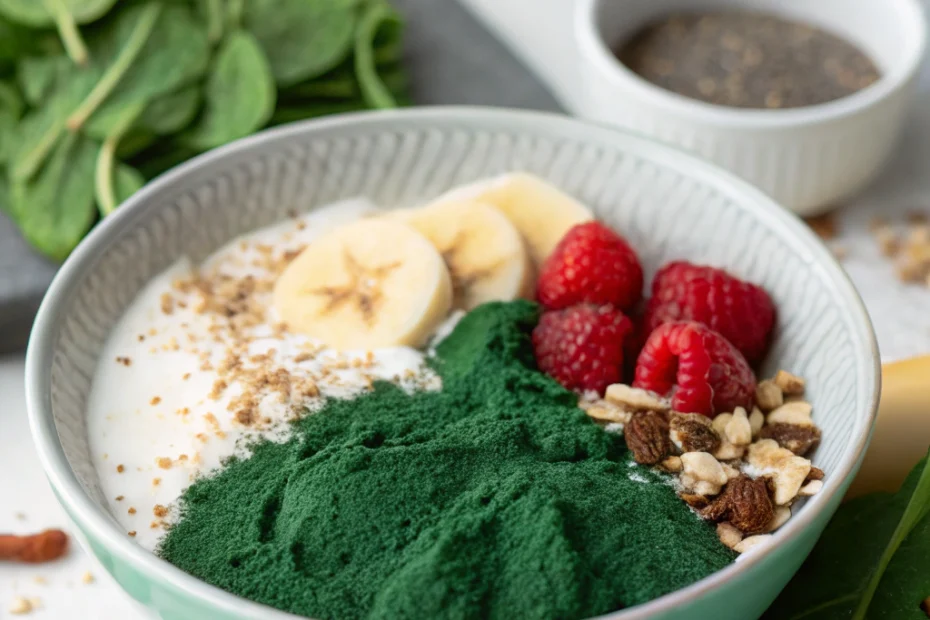
Consider the form of spirulina that suits your lifestyle. It is available in powder, tablet, and capsule forms. Powdered spirulina can be easily added to smoothies or juices, while tablets and capsules offer convenience for those on the go.
It’s important to purchase spirulina from reputable sources. Research the brand’s reputation and read reviews to ensure that you are getting a high-quality product. Transparency about sourcing and production processes can also be a positive sign.
Safety & Setup
Before adding spirulina to your diet, it’s crucial to consider safety. While spirulina is generally considered safe for most people, it’s always wise to consult with a healthcare professional, especially if you have underlying health conditions or are pregnant or nursing.
Start with a small amount to see how your body reacts. Some people may experience mild digestive issues when first introducing spirulina. Gradually increasing the dosage can help your body adjust.
Be aware of potential interactions with medications. If you are taking any prescription drugs, discuss with your doctor whether spirulina is suitable for you.
Core Pillars
The core pillars of spirulina’s appeal lie in its nutrient density and versatility. Spirulina is packed with protein, making it a popular choice for vegetarians and vegans. It also contains essential amino acids, vitamins B1, B2, and B3, iron, and copper.
Antioxidants in spirulina, such as phycocyanin, may help combat oxidative stress and support cellular health. This can be beneficial for maintaining overall well-being.
Spirulina’s potential to support immune function is another reason it is widely used. The nutrients in spirulina can play a role in maintaining a healthy immune system, which is essential for fighting off illnesses.
Storage & Quality Tips
Proper storage of spirulina is key to maintaining its quality and potency. Keep spirulina in a cool, dry place away from direct sunlight. Moisture and heat can degrade the product, reducing its effectiveness.
If you purchase spirulina in bulk, consider storing it in an airtight container to prevent exposure to air and moisture. This can help preserve its freshness and nutritional value.
Check the expiration date before using spirulina. Using it past its expiration date may result in a loss of potency and effectiveness.
Comparison with Alternatives
Spirulina is often compared to other superfoods like chlorella and wheatgrass. While all these supplements offer nutritional benefits, spirulina stands out for its high protein content. Chlorella, on the other hand, is known for its potential detoxifying properties due to its high chlorophyll content.
Wheatgrass is another popular superfood, rich in vitamins and minerals. However, spirulina may offer a more concentrated source of protein and essential nutrients.
When choosing between these options, consider your specific health goals and dietary needs. Each superfood has unique benefits that may align differently with your wellness journey.
FAQs
What is spirulina commonly used for?
Spirulina is commonly used for its potential to support energy levels, immune function, and overall wellness due to its rich nutrient profile.
Can spirulina help with weight loss?
While spirulina is not a weight loss supplement, its high protein content may help you feel fuller for longer, which can support weight management efforts.
Is spirulina safe for everyone?
Spirulina is generally safe for most people, but it’s important to consult a healthcare professional if you have health conditions or are pregnant or nursing.
How should I incorporate spirulina into my diet?
Spirulina can be added to smoothies, juices, or taken in tablet or capsule form. Start with a small amount and gradually increase as needed.
What to Do Next
Now that you have a better understanding of spirulina, you might be considering adding it to your wellness routine. Remember to consult with a healthcare professional before starting any new supplement. Consider your dietary needs and health goals when choosing a spirulina product.
Explore different forms of spirulina to find what works best for you. Whether you prefer the convenience of tablets or the versatility of powder, spirulina can be a valuable addition to a balanced diet.
Keep in mind the importance of quality and storage to ensure you get the most out of your spirulina supplement.
Disclaimer: Always consult a qualified healthcare professional before using any supplement.